FENCING ADVICE
TIPS & TRICKS FROM THE EXPERTS
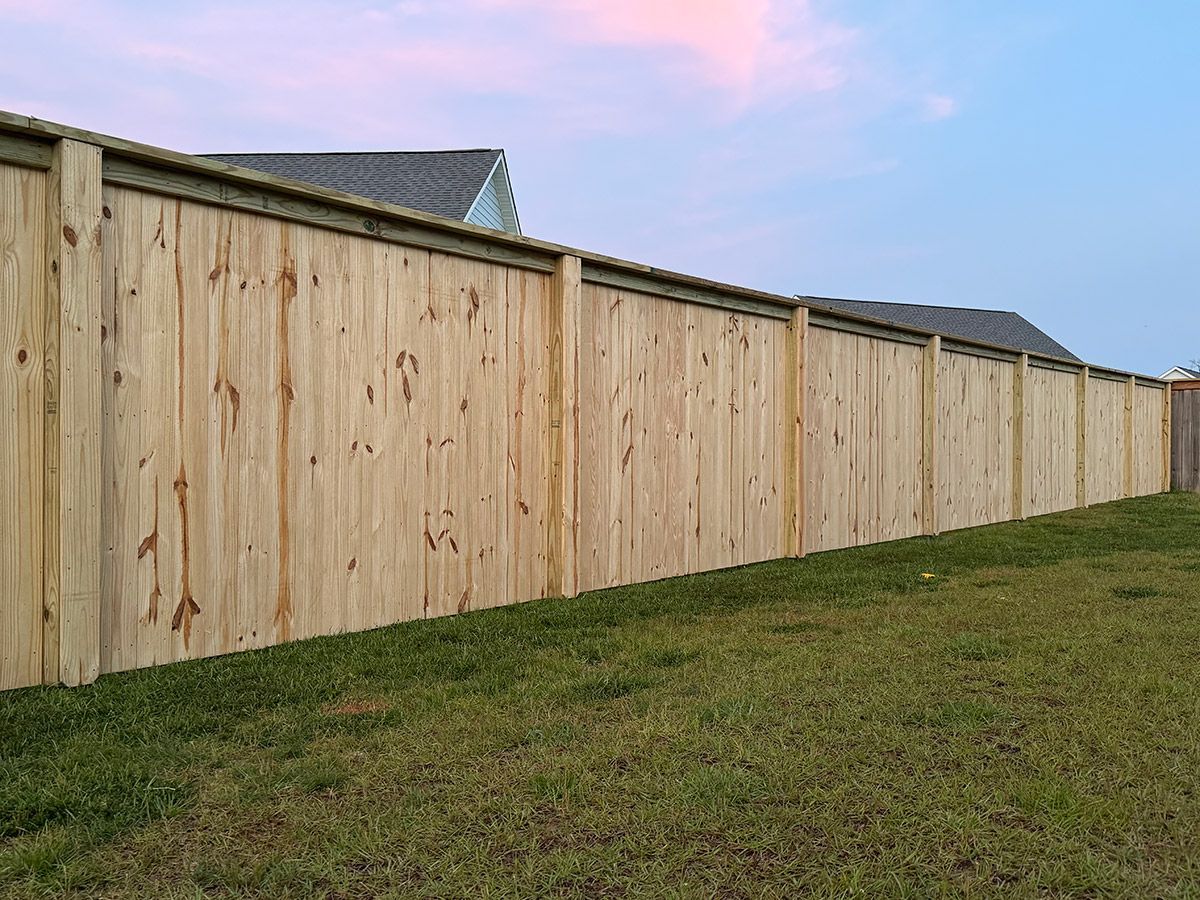
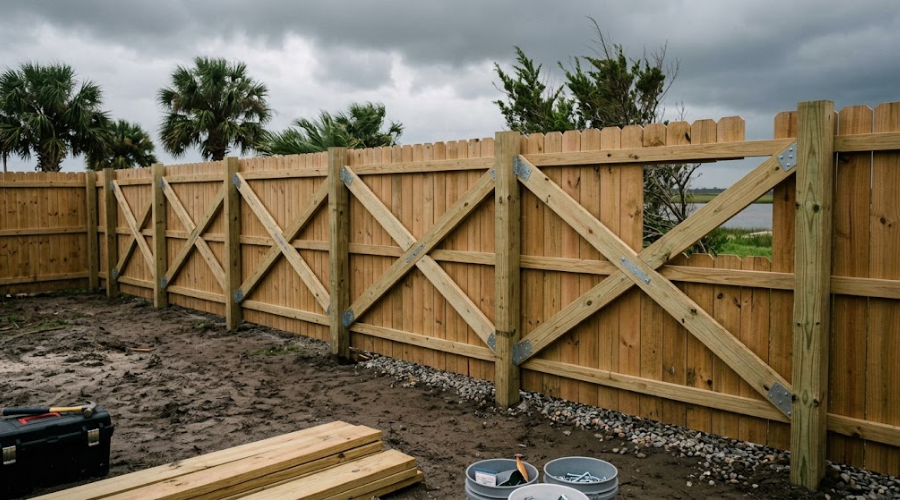
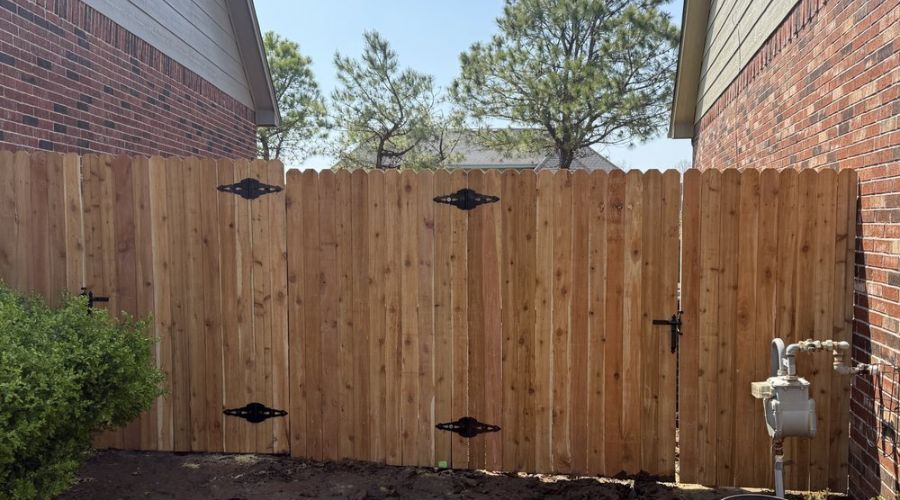
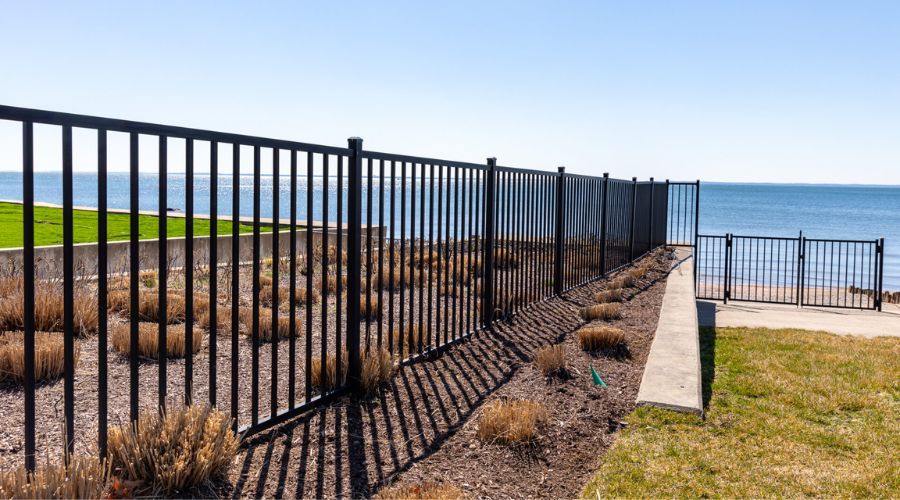
You want the privacy of a fence without losing the shade of a mature live oak. In an established Ocean Springs yard, those two goals can share the same narrow strip of ground. Planning around the tree is more useful than treating its roots as something to cut out of the way.
Yes, growing roots and changes in the surrounding soil can create conflicts with fence posts or panels. But a leaning fence beside an oak does not prove the tree caused it. Loose hardware, weak posts, drainage, and damaged wood also need a close look.
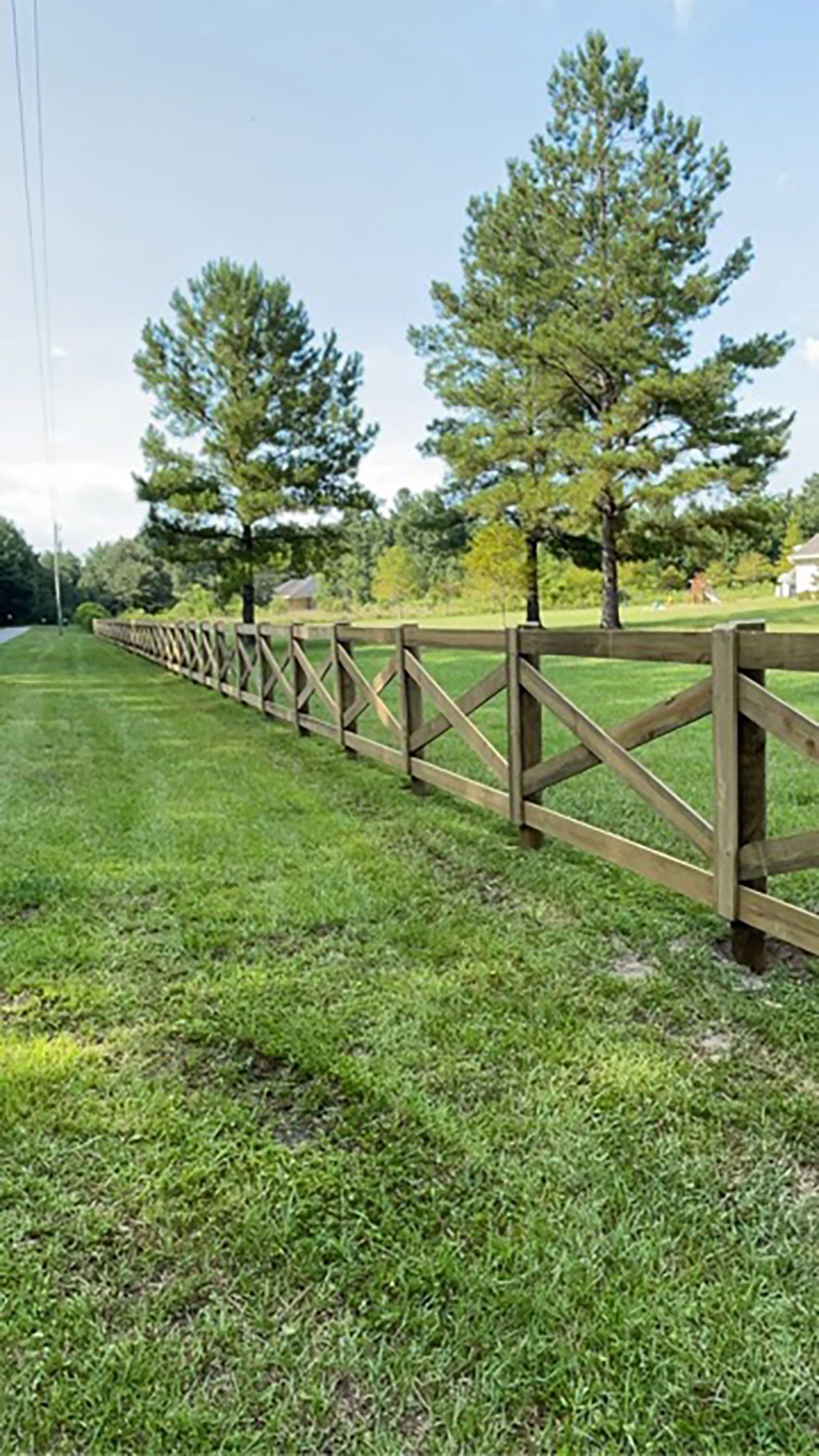
Look for a conflict, not just a nearby tree
A root touching a lower board, a post shifting beside a raised patch of ground, or a gate losing alignment gives you useful information. Photograph what you can see without digging. Note whether the change is recent or has developed over several seasons.
On a shaded Gulf Hills property, it may be tempting to blame the largest tree first. A soggy fence base or soft wood can tell a different story. In Gulf Park Estates, nearby planting beds and downspout runoff may also affect the fence line. The actual conditions matter more than the neighborhood name.
| What you see | What to discuss before repair |
|---|---|
| Root against a board | Whether the fence route can change |
| Leaning post near a tree | Support, drainage and possible root conflict |
| Gate no longer lines up | Posts, frame and hinge condition |
| Soft wood at ground level | Moisture and decay, not only tree roots |
Protect the tree before work starts
Mississippi State Extension's construction-site tree guidance explains that excavation, grading, and compacted soil can damage roots. The effects may not appear right away. A narrow-looking fence project still needs thought about where workers, equipment, and stored materials will go.
Include nearby trees in your fence installation planning from the first visit. Point out visible roots and any recent changes to the ground. If the proposed route conflicts with substantial roots, bring a qualified arborist into the discussion before cutting or digging around them.
- Show the full proposed line, not just the nearest post position.
- Discuss equipment access and a place to keep materials away from sensitive root areas.
- Avoid adding soil or changing the grade around the tree as a quick fence fix.
- Keep tree-care decisions and fence-support decisions coordinated.
Create a clear record before the fence changes again
Take wide photos of the tree, the full fence run, and the ground between them before work begins. Then take closer photos of the post, board, gate, or raised soil that concerns you. A wide view helps an installer see whether movement is limited to one spot or continues into nearby panels. A close view records the contact point without asking you to dig around the roots.
Repeat the photos from the same safe position after a season or after a noticeable change. Include a simple note about drainage, gate alignment, and whether the wood feels soft at ground level. This record does not diagnose the cause, but it gives the fence professional and arborist a clearer timeline than a single image taken after the problem becomes severe.
- Mark visible roots and raised ground without cutting, probing, or covering them.
- Photograph downspouts, low areas, and planting beds that direct water toward the fence.
- Show how the gate opens and where a misalignment first becomes visible.
- Keep older fence photos available so seasonal change is easier to compare.
A small layout change may help
A custom fence layout can explore a different route or post arrangement while retaining the privacy you need. That does not mean squeezing posts into whatever gap looks clear. The fence still needs suitable support, and the tree needs room to remain healthy.
There is no single safe distance that fits every live oak and every fence. Tree size, root condition, the proposed work, and the available yard space all matter. Mississippi State's tree placement and risk guidance is a useful reminder to allow growing space and seek qualified help when a tree appears risky.
For a Vancleave home with newer landscaping, think ahead before planting an oak beside a finished fence. Consider its mature size, your future maintenance route, and gate movement together. Leaving room now can prevent an awkward choice between the tree and the fence later.
Prepare useful questions for the site visit
Ask the fence installer which parts of the route can move without sacrificing the privacy or access you need. Ask the arborist which visible roots or soil changes need special protection. When both professionals understand the same proposed line, you are less likely to solve the fence problem in a way that creates a new concern for the tree.
- Could the line curve, offset, or change material near the tree?
- Can workers and materials reach the site without crossing sensitive ground?
- Does the gate have enough clear space away from roots and changing grade?
- Which existing drainage or landscape features must remain undisturbed?
Bring your photos and priorities rather than a predetermined digging plan. The most useful visit ends with a route that reflects the actual yard, a clear division between fence work and tree care, and an understanding of any condition that needs further assessment before installation or repair begins.
Frequently Asked Questions
Should I cut a root that touches my fence?
Do not cut a substantial root without a tree assessment. Discuss an adjusted fence route and ask a qualified arborist how the proposed work could affect the tree.
Does a leaning fence mean the live oak is responsible?
No. Roots may contribute, but post support, drainage, decay, and hardware can also cause movement. Check the whole affected section before choosing a repair.
Can I keep both the tree and the fence?
Often there are layout options worth exploring. A site visit can help the fence installer and tree specialist assess the space without promising that every existing route will work.
Plan around the yard you want to keep
If a tree and fence are competing for space in Ocean Springs or Vancleave, ask Premium Fence Company about fence repair options. Show us the affected area and your privacy goals so we can discuss the next steps without overlooking the tree.